
The Top Richmond Uber Accident Lawyer
Were you injured in an Uber accident in Richmond, TX? Contact the top Richmond Uber accident lawyer for a free consultation and seek the compensation you deserve.
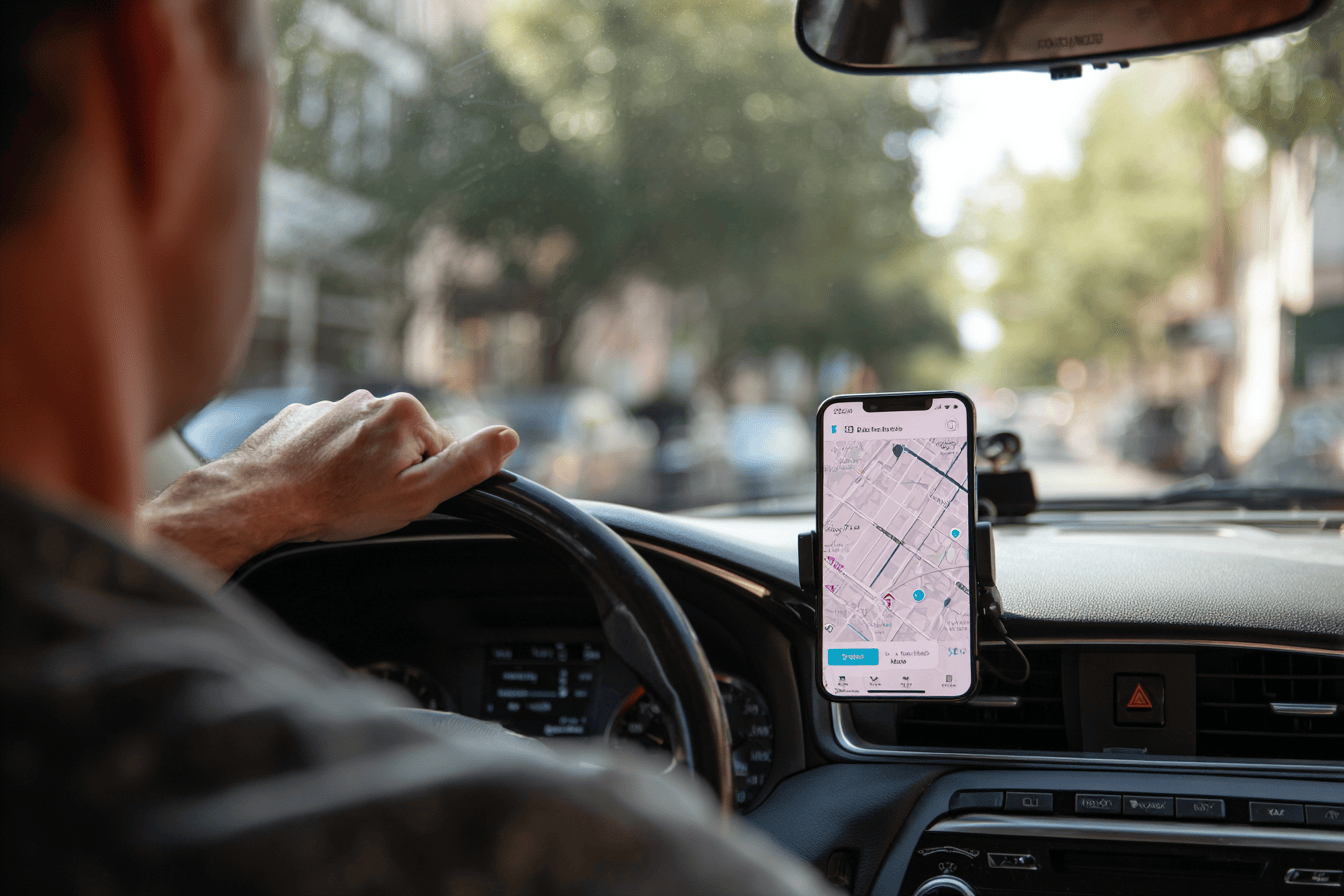
Rideshare services have become part of daily life in Richmond, Texas. From catching an Uber along Jackson Street to heading toward Highway 90A or getting home from a restaurant near the Grand Parkway, many residents rely on Uber and Lyft to get around safely. These apps connect riders and drivers, track routes, and store trip records that can be vital after an accident.
When a rideshare vehicle is involved in a crash, figuring out who is responsible is often complicated. Insurance coverage changes depending on whether the driver was offline, waiting for a fare, or carrying a passenger. Personal policies, company coverage, and uninsured motorist protection can overlap, creating confusion for anyone injured.
At Estes Personal Injury & Car Accident Lawyers in Richmond, we understand how Texas rideshare insurance works and how to secure evidence before it disappears. We know which policies apply in each phase of a trip and how to pursue full compensation for passengers, drivers, and other motorists injured on local roads like FM 1640, Highway 59, and the Grand Parkway.
Contact us to speak with an award-winning Uber accident lawyer in Richmond, TX for a free consultation today.
Do I Have an Uber Accident Case in Richmond, TX?
You have a valid rideshare accident claim if you were injured while an Uber or Lyft driver was using their app. This includes passengers, other drivers, and pedestrians who were hurt in crashes involving active rideshare vehicles.
Your case qualifies if you were injured as:
- An Uber or Lyft passenger during your trip
- A driver or passenger in another car hit by a rideshare vehicle
- An Uber driver struck by another motorist while on duty
- A pedestrian or cyclist hit by an active rideshare driver
The key factor is whether the rideshare app was turned on when the accident happened. When drivers activate their apps, special commercial insurance policies come into effect that provide much higher coverage limits than personal auto insurance.
Who Pays After an Uber or Lyft Crash?
Liability—and who writes the check—turns on two things: fault and the driver’s app status. If another motorist caused the wreck, their insurer is primary. If the Uber/Lyft driver is to blame, the company’s commercial policy is the one that should cover your injuries.
In Texas, rideshare platforms must keep high-limit coverage in place whenever the app is active. Those policies are meant to protect passengers and everyone else on the road.
What Insurance Applies in a Texas Rideshare Accident?
Coverage turns on what the driver was doing in the app at the moment of the crash. With the app off, any claim usually goes to the driver’s personal auto policy—if that contract allows it. When the app is on and the driver is waiting, the platform’s contingent policy applies: up to $50,000 per person, $100,000 per accident for bodily injury, plus $25,000 for property damage. Once a trip is accepted or a passenger is onboard, the rideshare company’s commercial policy becomes primary and typically includes uninsured/underinsured motorist protection.
Knowing how auto insurance works in Texas helps you match the crash phase to the right insurer and avoid gaps in coverage.
Are Passengers Covered if the Uber Driver Is at Fault?
Passengers are well protected under Uber’s $1 million policy when their driver is responsible for an accident. The policy also includes uninsured motorist coverage that may provide protection if another driver who hits your Uber lacks adequate insurance. If the at-fault driver lacks adequate insurance, Uber’s uninsured/underinsured motorist coverage may provide additional protection.
What If I Was the Uber Driver?
Uber drivers face insurance questions that turn on app status. We help you figure out which policy applies and pursue every available source of compensation.
On the App and Waiting
If you’re logged in and waiting for requests, Uber’s contingent liability policy may apply if your personal auto insurer denies the claim. It can cover bodily injury and property damage.
En Route or With a Passenger
Once you accept a ride or have a passenger in the car, Uber’s $1,000,000 policy takes effect. Uber also provides contingent comprehensive and collision for your vehicle—a deductible applies. This protection helps replace income lost when your car is being repaired.
Off the App
When your rideshare app is inactive, only your personal auto insurance applies. If your policy excludes commercial use and you haven’t purchased rideshare coverage, you may have no protection at all.
We recommend all rideshare drivers review their personal policies and consider adding rideshare endorsements to avoid coverage gaps.
What Compensation Can I Recover?
You can recover money for both what you lost and what you went through. In Texas, the goal is to make you whole for the harms tied to the crash and your injuries.
First are the economic losses—the bills and paychecks you can count. That includes current and future medical care, lost wages if you missed work, any drop in your ability to earn, repairs or total loss to your car, and the extra costs of getting to and from appointments.
Then come the non-economic losses—the human side of the injury. Pain and suffering, emotional distress, limits on daily activities or hobbies, and lasting effects like scarring, disfigurement, or disability.
Texas generally doesn’t cap compensatory damages in standard motor-vehicle cases, so severe injuries can be fully valued. (Different rules apply to medical malpractice, and punitive damages have statutory limits.) The exact amount depends on proof: medical records, expert opinions, work history, and consistent documentation of how the injury changed your life.
How Long Do I Have to File in Texas?
Generally you have two years from the date of the crash to file a personal injury lawsuit in Texas. Miss that statute of limitations, and, in most cases, the court will throw your case out—no matter how strong it is.
Don’t wait. Key evidence fades fast: Uber/Lyft trip data cycles, vehicles get repaired, road conditions change, and memories blur. Starting early lets your lawyer preserve app logs, pull phone and vehicle data, contact witnesses, and push insurers while the facts are fresh.
There are narrow exceptions (for example, when the injured person is a minor or in rare delayed-discovery situations), but you shouldn’t rely on them. The safest move is simple: talk to an experienced injury attorney right away so your rights—and your evidence—are protected.
What Should I Do After an Uber Accident?
Call 911 and get checked out.
Ask for police and paramedics—even if you feel “fine.” Adrenaline hides injuries, and the police report anchors the facts insurers look at. Accept an exam at the scene and see a doctor the same day; gaps in treatment let insurers argue your injuries aren’t related.
Capture the evidence you can.
Take photos and short videos of vehicle positions, damage, street signs, debris, skid marks, and weather/lighting. Screenshot the Uber/Lyft app screens (driver profile, trip status, timestamps, route, and fare/receipt). Save push notifications and the ride receipt. Get names/phones for witnesses and note nearby cameras (stores, homes, traffic cams).
Exchange the right info—without debating fault.
Get the driver’s license, plate, and insurance, plus the rideshare company and trip ID if visible. Keep conversation factual; don’t apologize or speculate.
Report the crash in the app and to your insurer.
Use the app’s incident form, but stick to basics. Notify your own auto insurer promptly and check your coverages (PIP/MedPay, UM/UIM). In Texas, these can help with medical bills even before fault is sorted out.
Protect the digital trail.
Back up your phone, save texts, and keep copies of all app screenshots and emails. Ask a lawyer to send a preservation (spoliation) letter so trip data, dashcam/phone logs, and vehicle “black box” data aren’t deleted.
Follow treatment and document losses.
Attend all appointments, follow medical advice, and keep a simple log of symptoms, missed work, mileage to appointments, co-pays, and out-of-pocket costs. Consistent records raise your claim’s credibility.
Avoid recorded statements or quick releases.
Don’t give a recorded statement or sign medical authorizations/releases for the rideshare or another driver’s insurer before you’ve spoken with an attorney. First, you need to understand how auto insurance works in Texas.
Call an attorney early.
Early help means evidence gets preserved, the right insurers are put on notice, and you avoid gaps or mistakes that can cut down your recovery.
Can I Sue Uber or Do I Have to Arbitrate?
Uber’s user agreement includes a mandatory arbitration clause, so most disputes with the company move to private arbitration rather than a court lawsuit. Arbitration can move faster, but it narrows your options and the remedies a judge or jury could otherwise consider. That clause doesn’t block a standard negligence case against a third-party driver who caused the crash, and in some fact patterns there are limited paths to proceed in court against Uber itself.
Our team handles both routes. We file and prosecute rideshare arbitrations when required and litigate in court when the facts and claims allow—managing the process end to end and bringing experience that helps level the playing field against Uber’s legal team.
How Estes Personal Injury & Car Accident Lawyers Builds Your Case
We treat rideshare cases like a race against the clock. From day one, our team works a structured plan that preserves evidence, maps every layer of insurance, and positions your claim for full value—whether it settles or goes to court.
Preserving Uber App and Trip Data
We send preservation notices right away to Uber and every involved party. That puts them under a legal duty to keep electronic records intact—trip details, driver logs, GPS data, and internal messages. Without formal notice, this material can disappear fast; much of it is deleted on short cycles. Speed matters. Our letters lock the data down so it stays available throughout your case.
Identifying All Insurance Layers
Rideshare crashes often touch more than one policy. We track every potential source of compensation—from the company’s commercial coverage to the driver’s personal insurance—and verify limits and terms that insurers don’t volunteer. Where multiple policies apply, we structure the claim so no available coverage is left on the table.
Negotiating and Litigating for Maximum Recovery
We work your case as if a jury will see it—exhibits organized, timelines clear, witnesses prepped. That level of readiness changes how insurers respond; they see the risk and talk real numbers. We bring in the right experts (reconstruction, medical, vocational) and build a damages model that covers care, lost income, and future needs. Often, that trial posture leads to a strong settlement without months of back-and-forth; if not, we’re already set to try the case.
Why Hire Estes Personal Injury & Car Accident Lawyers for a Rideshare Injury?
Rideshare cases aren’t ordinary crash claims—they mix Texas TNC rules, layered insurance, and, often, arbitration. You need a team that knows the terrain and how those rules affect your rights.
We know Texas rideshare law and how it applies on the ground. Our attorneys handle both arbitration and courtroom litigation and adjust the strategy to fit your case—not the other way around. You won’t owe a fee unless we recover compensation.
We’re Fort Bend County lawyers, based in Richmond and familiar with the local roads, hospitals, and courts. Our track record includes millions recovered for personal injury clients, and the goal is the same in every matter: do the work, prove the value, and deliver results.
Areas We Serve in Fort Bend County
From our Richmond office, we help rideshare crash victims throughout Fort Bend County and the greater Houston area—Missouri City, Sugar Land, Rosenberg, Katy, and nearby communities. If getting around is tough after the injury, we’ll come to you. We meet clients at home, in the hospital, or at a rehab facility for consults and updates.
Free Consultation With a Richmond Uber Accident Lawyer
The first step is simple and free: sit down with us, tell us what happened, and we’ll sort through which insurance policies may apply and what comes next. Bring what you’ve got—police report, medical records, your insurance info, and screenshots from the app (driver profile, trip receipt, and route). Rideshare cases move on data that doesn’t stick around: electronic logs cycle, memories fade, and insurers get to work fast. Reaching out now gives us a real chance to secure the proof and explain how auto insurance works in Texas as it applies to your claim—before anything goes missing.
Frequently Asked Questions
Does Uber’s arbitration clause prevent me from suing the other driver?
No, Uber’s arbitration requirement only applies to disputes with Uber itself. You can still file a lawsuit against any third-party driver who caused your accident in regular court.
Can I file a claim if the Uber driver’s app was turned off?
Yes. If the app was off, you claim against the driver’s personal auto insurer, not Uber’s commercial policy—limits are usually much lower than rideshare coverage.
Will my own car insurance cover me as an Uber passenger?
Your Personal Injury Protection or Medical Payments coverage may pay for initial medical bills regardless of fault. However, your liability coverage doesn’t apply since you weren’t driving.
Can I use my uninsured motorist coverage in addition to Uber’s policy?
Yes, your own UM/UIM coverage can provide additional compensation if your damages exceed the limits of the at-fault driver’s insurance and Uber’s policies combined.
How does Texas comparative fault law affect rideshare accident cases?
Texas follows a modified comparative fault rule where you can recover damages as long as you’re less than 51% responsible for the accident. Your compensation is reduced by your percentage of fault.
Will my health insurance company want repayment from my settlement?
Often yes. Insurers and hospitals may assert subrogation/liens. We work to reduce those liens so more of the settlement stays with you.
How long do most Uber accident cases take to resolve?
About 6–24 months. Simpler cases resolve closer to the six-month end; serious injuries or disputed liability push timelines longer—especially when insurer cooperation is slow.
What rideshare app information should I save immediately after an accident?
Save right away: screenshots of the trip route/map, driver’s name/photo, vehicle/plate, pickup & drop-off times, and fare/receipt. Also download or save the emailed receipt before the app archives the trip.